How to get to Tibet. UPDATED November 2026: The region has a reputation for being a hard place to travel to. It's not as difficult as you might think!
For a reputable and affordable travel agency to use in Tibet, send me an email at the contact page or fill out this short form: Tibet Trip Planner
The most common question that people email me is asking how to get to Tibet.
While Tibet has a reputation as an extremely difficult place to travel to, getting there is actually quite easy. Unfortunately, a lot of travel information about Tibet online is outdated, wrong, or confusing. In this post, I will explain very clearly how to get to Tibet. If you still have questions about traveling to Tibet after reading this post, please email me through our Contact page.

Kham Tibetan man spinning his prayer wheel in Garze County
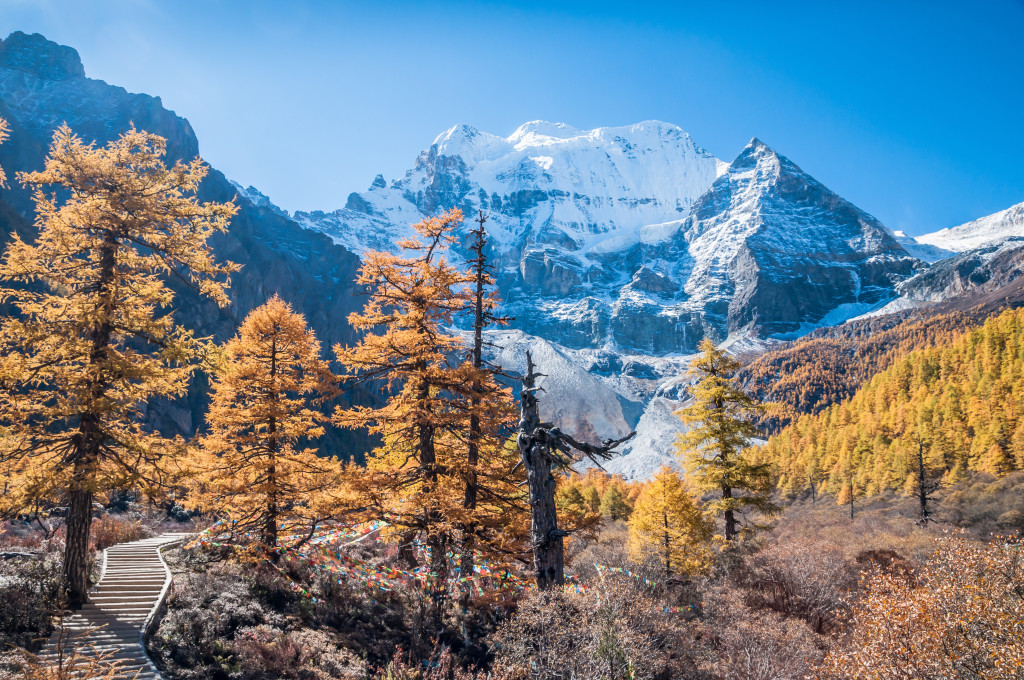
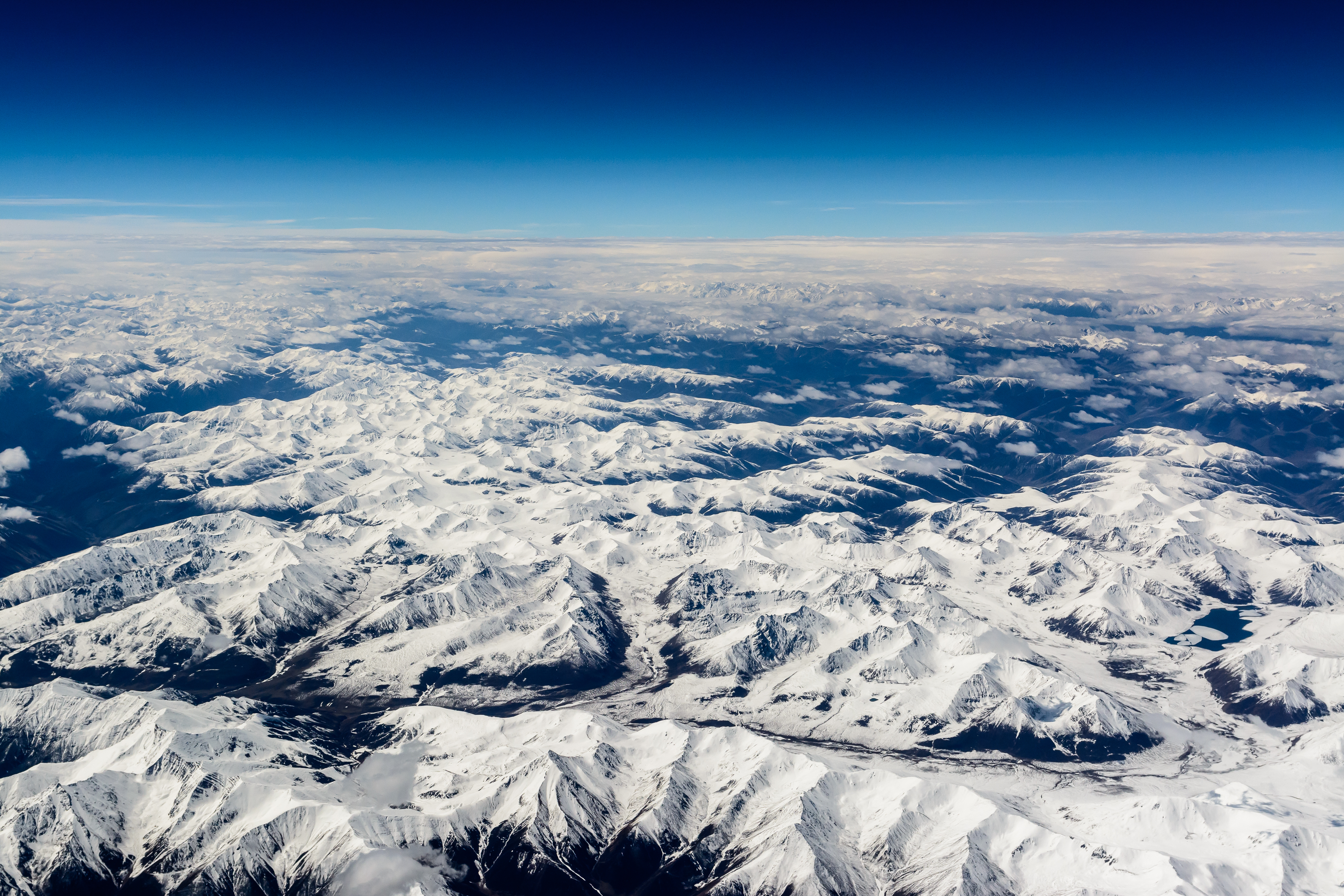
The mountains of the Kham region
Tibet Autonomous Region vs Tibetan Autonomous Prefectures
First, understand that the Tibetan Plateau is divided into 2 areas: the Tibet Autonomous Region and the Tibetan Autonomous Prefectures of Qinghai, Gansu, Sichuan, and Yunnan.
Tibet travel regulations for the TAR require ALL FOREIGNERS to be part of an organized tour, while most areas in the 10 Tibetan Autonomous Prefectures are open to independent travelers (meaning NO organized tour is required).
If you plan to go to Lhasa, Yamdrok Lake, Shigatse, Everest Base Camp, the Nepal border, Kailash, Nam Tso, Nyingtri, Sakya, or ANY other area inside the TAR, you must be on an organized tour arranged only by a Local travel agency. There are no exceptions.
For travel in the TAR, you will need Tibet travel permits (which a travel agency will arrange for you), a tour guide, a private vehicle, and a driver. If you are only planning to go to Lhasa, you usually do not need a private vehicle or driver.
If you plan to go to the Amdo and Kham areas located in Qinghai, Gansu, Sichuan, or Yunnan, no organized tour is required. You can travel in this area on your own using public transportation (though many people still choose private vehicles to reach hard-to-reach areas).

The upper Mekong River
Organized Tour vs Group Tour
The terms "Organized Tour" and "Group Tour" are two very different things.
Organized Tour
In Tibet, an organized tour means a travel agency arranges everything for you, including permits, a tour guide, a private vehicle, and a driver.
In the Tibet Autonomous Region (TAR), all foreigners must travel on an organized tour arranged by a travel agency in Tibet.Again, there are no exceptions. The travel agency you choose will make all of the arrangements for your tour, including all of your permits, as well as your required guide, private vehicle, and driver.
You can organize tours in the TAR for solo travelers or for a group of friends/family traveling together. In addition, some travel agencies specialize in putting together small groups of people to travel together so they can divide the costs of the guide, vehicle, and driver.
Group Tour
A group tour means you must travel with a group. While group travel in Tibet was required in the 1990s and early 2000s, this rule has not been consistently in place for very long (exceptions were in 2008 for a month and in 2012 for a short time).
Currently, NO GROUP TRAVEL IS REQUIRED IN TIBET. You are free to go to Lhasa, Shigatse, Nam Tso, Mt. Everest, along the Friendship Highway, to Mt. Kailash, or to other areas of the Tibet Autonomous Region on a private organized tour, even if you are a solo traveler.
Summary: Organized Tour vs Group Tour
In summary, an organize tour is require for all foreigners going to the Tibet Autonomous Region (TAR), however group tours are NOT require. A solo traveler can go to the TAR without any problems as long as they are on an organized tour that is arranged by a travel agency. I get several emails every week asking whether group travel is still required in Tibet.
It seems that many travel agencies in Europe and North America, as well as some in Mainland China and Nepal, are giving people outdated travel information about Tibet, since group travel is no longer required.
While group travel in Tibet is not required, traveling with a small group is a great way to travel more cheaply. Private tours in Tibet are quite expensive. Many travel agencies arrange small-group tours with 6 to 10 travelers to reduce the cost of traveling in Tibet. Traveling with a small group can save you thousands of dollars on your Tibet journey. Again, group travel is NOT required, but is an economical way to travel to Tibet.

Tibetan boys near Mt. Cho Oyu

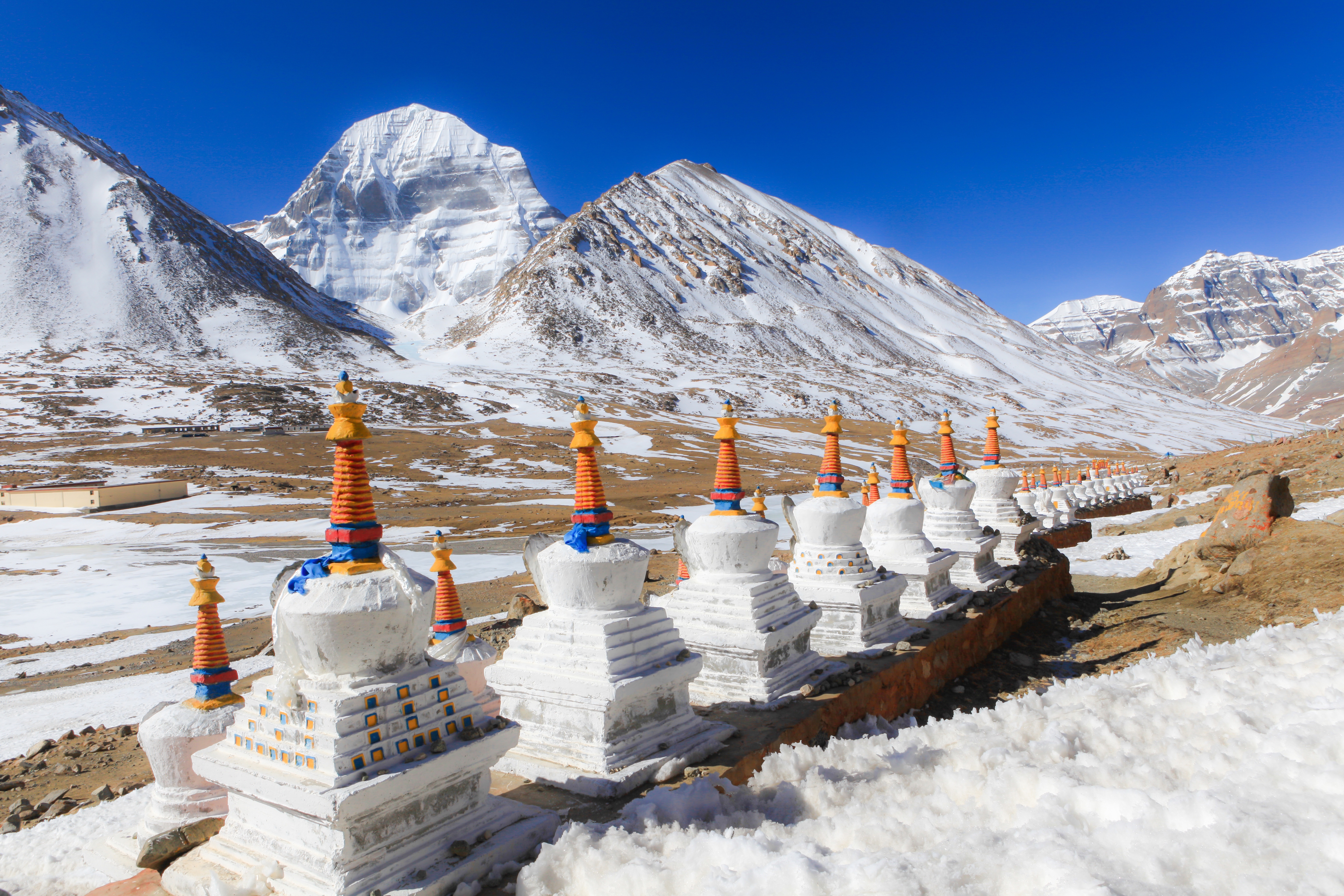
Mt Kailash in Western Tibet
Planning your journey to Tibet...
A lot of people don't realize that when you travel to Tibet, you have the freedom to design your own itinerary that goes to the specific places you want to go to. Many people contact me saying they have looked at numerous travel agency websites but haven't found the itinerary they want.
Travel agencies only list the most popular journeys they offer, and these routes can be customized any way you'd like. Nearly every <strong>travel agency in Tibet will also allow you to completely design your own itinerary. Just because a travel agency doesn't list the exact itinerary you wish to follow on their website doesn't mean they can't arrange it for you. Simply tell the travel agency the route you wish to follow, and they will arrange it for you.
When planning your journey to Tibet, it is best to do at least a little research to help you decide where you want to go.
The Tibetan Plateau isn't just a couple of towns; it's a HUGE area covering about 2.5 million square kilometers (975,000 square miles). It is larger than many countries!
If you need help planning your trip, most good travel agencies in Lhasa are happy to customize your route. You can also contact me for assistance. Good resources to help plan your trip include the current Lonely Planet Tibet guidebook, Footprints Tibet handbook, and my older posts on this Tibet travel blog.
We can help you by recommending a local Tibetan Travel agency in Tibet
Contacting a Local Travel Agency in Tibet..
After doing a little research on Tibet and where you might want to go, you can contact a travel agency. The days of physically going to a travel agency office to arrange a tour to Tibet are long gone. You can make all travel arrangements by email. Reputable travel agencies can speak and write English well, so you can plan everything by email. Remember, Tibet is not like North Korea, where you can only visit a handful of places and must follow a rigid government-set itinerary. You can design your own itinerary and visit the specific places you want to see.


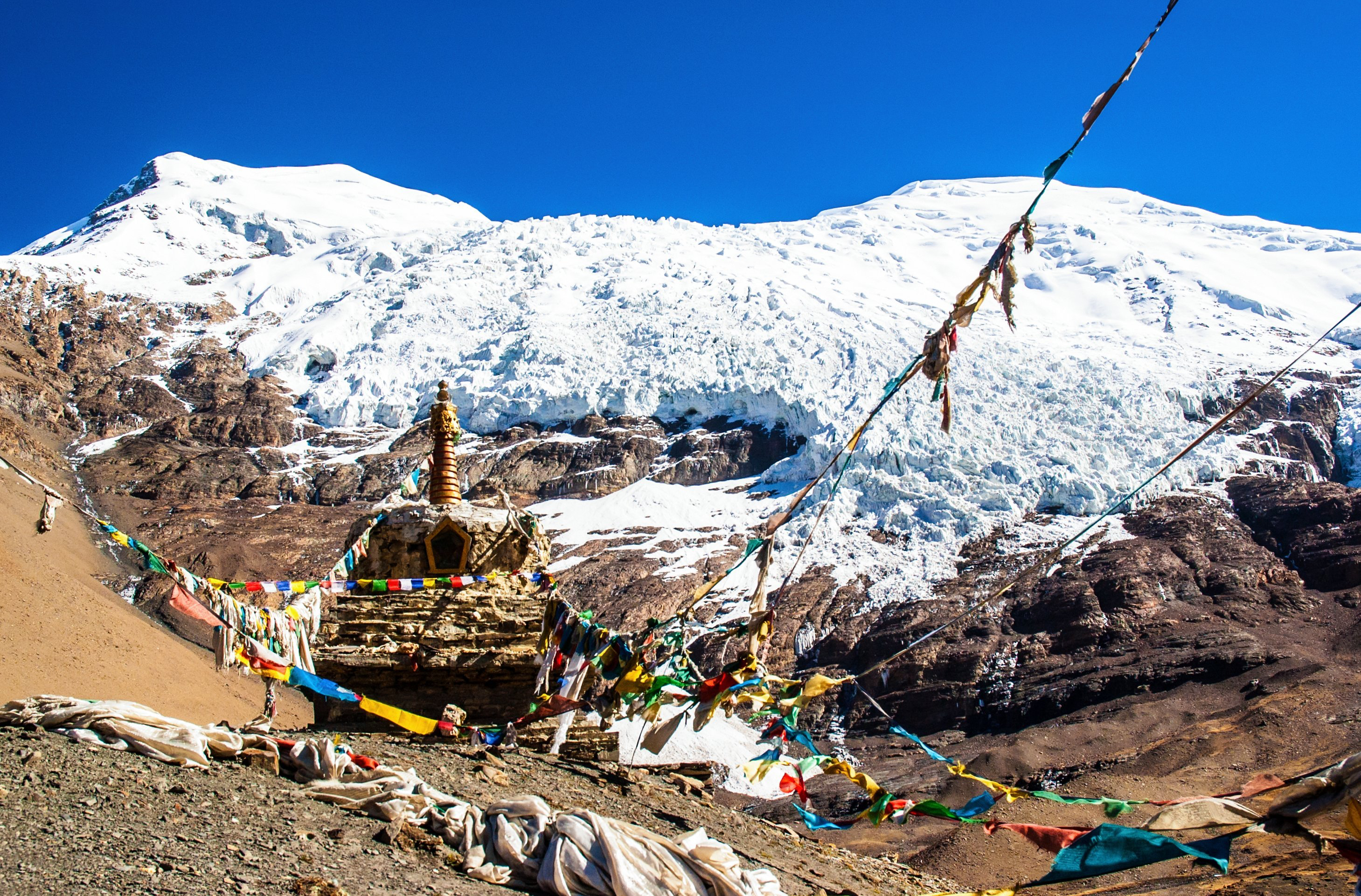
Karo La Glacier in central Tibet
Travel Agency in Tibet
The travel agency you use is extremely important. You can easily get overwhelmed if you Google Tibetan travel agencies, as there are hundreds to choose from. For me, it is important to use local, Tibetan-owned and Tibetan-staffed travel agencies with good reputations and excellent safety records. When traveling to Tibet, I strongly encourage people to support locally owned businesses so Tibetans benefit more from tourism. I know just about every travel agency in Lhasa. If you need help deciding which agency to use, feel free to send me an email at: info@thelandofsnows.com

Samding Monastery in Central Tibet

Tibet from the train
What a Travel Agency Will Do For You
As stated above, you cannot go to Tibet without a travel agency. Your travel agency will handle all your arrangements. They will take care of all of your required permits. No matter where in Tibet you plan to go, the travel agency is responsible for obtaining the permits for you. They will also arrange a guide, as well as a private vehicle and driver (foreigners cannot use public transportation in the Tibet Autonomous Region except within Lhasa). The travel agency can give you recommendations on which route to travel in Tibet, can work with you to create the perfect itinerary, or you can simply give the agency your own itinerary that you created.
From there, the travel agency will take care of all of the details for you. You don't need to worry about getting permits because the travel agency will get them for you. Same goes with guide, vehicle and driver....the agency will take care of EVERYTHING for you. Getting to Tibet is very easy!

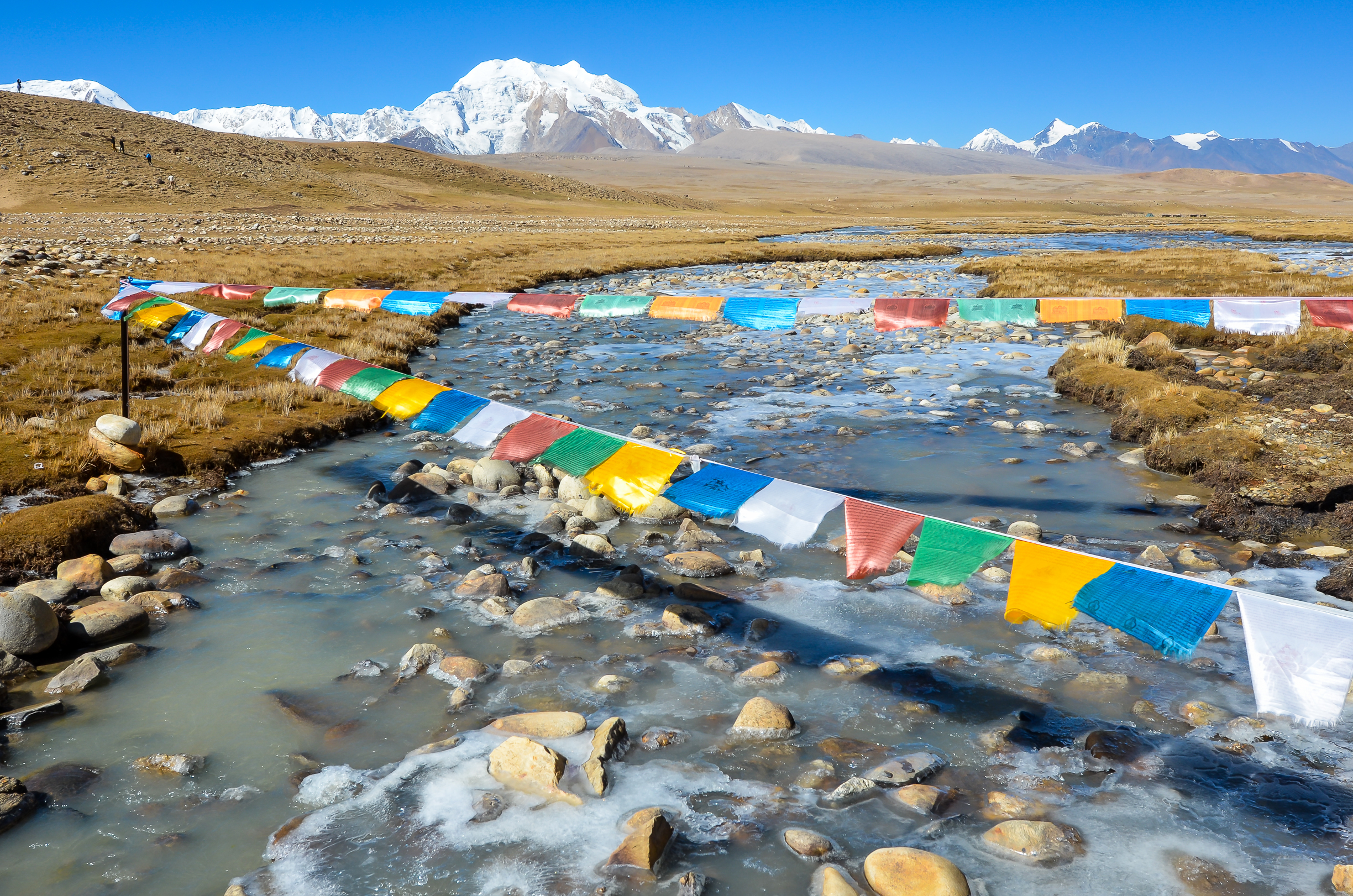
Prayer flags along the way to Gyantse

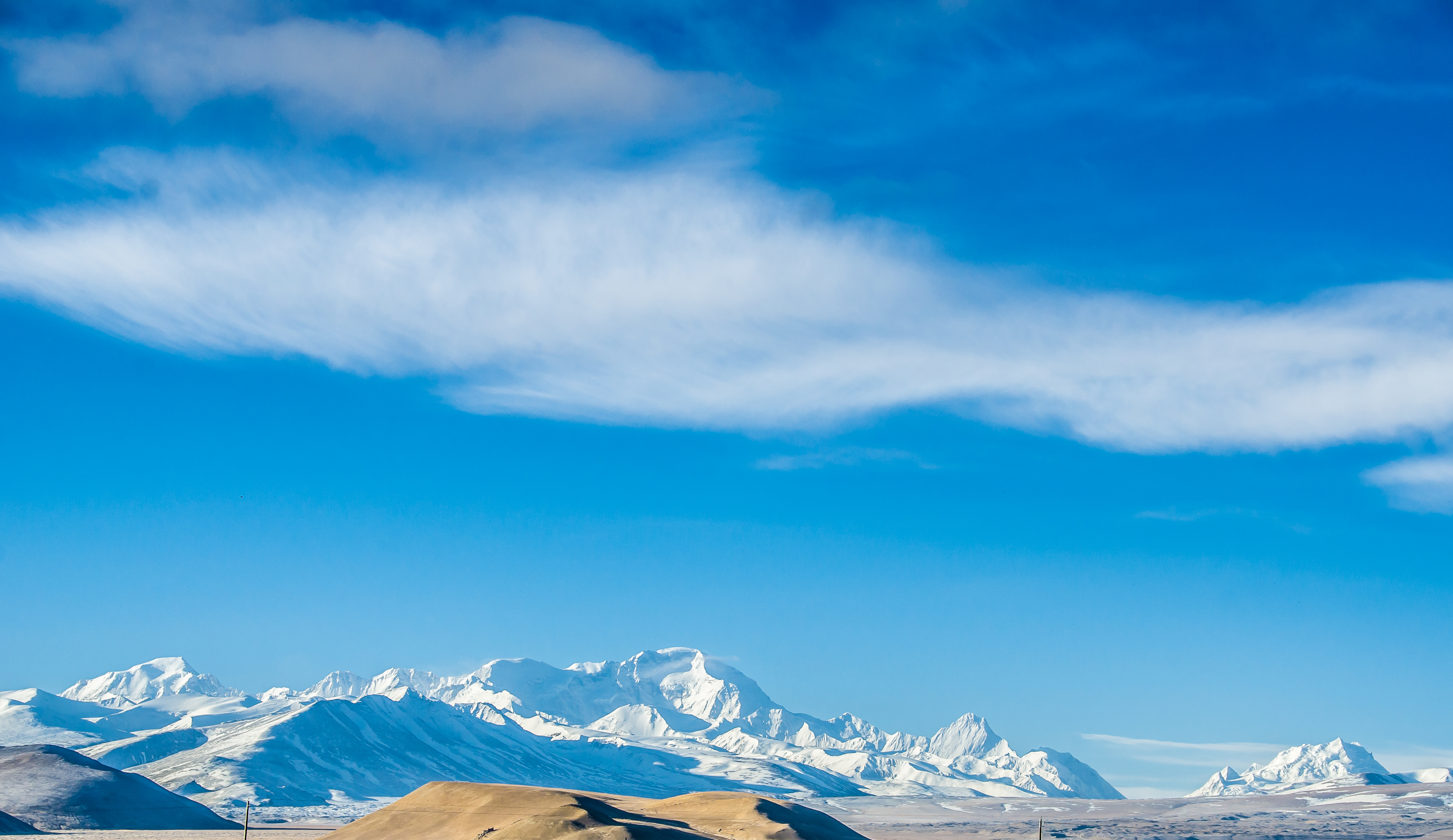
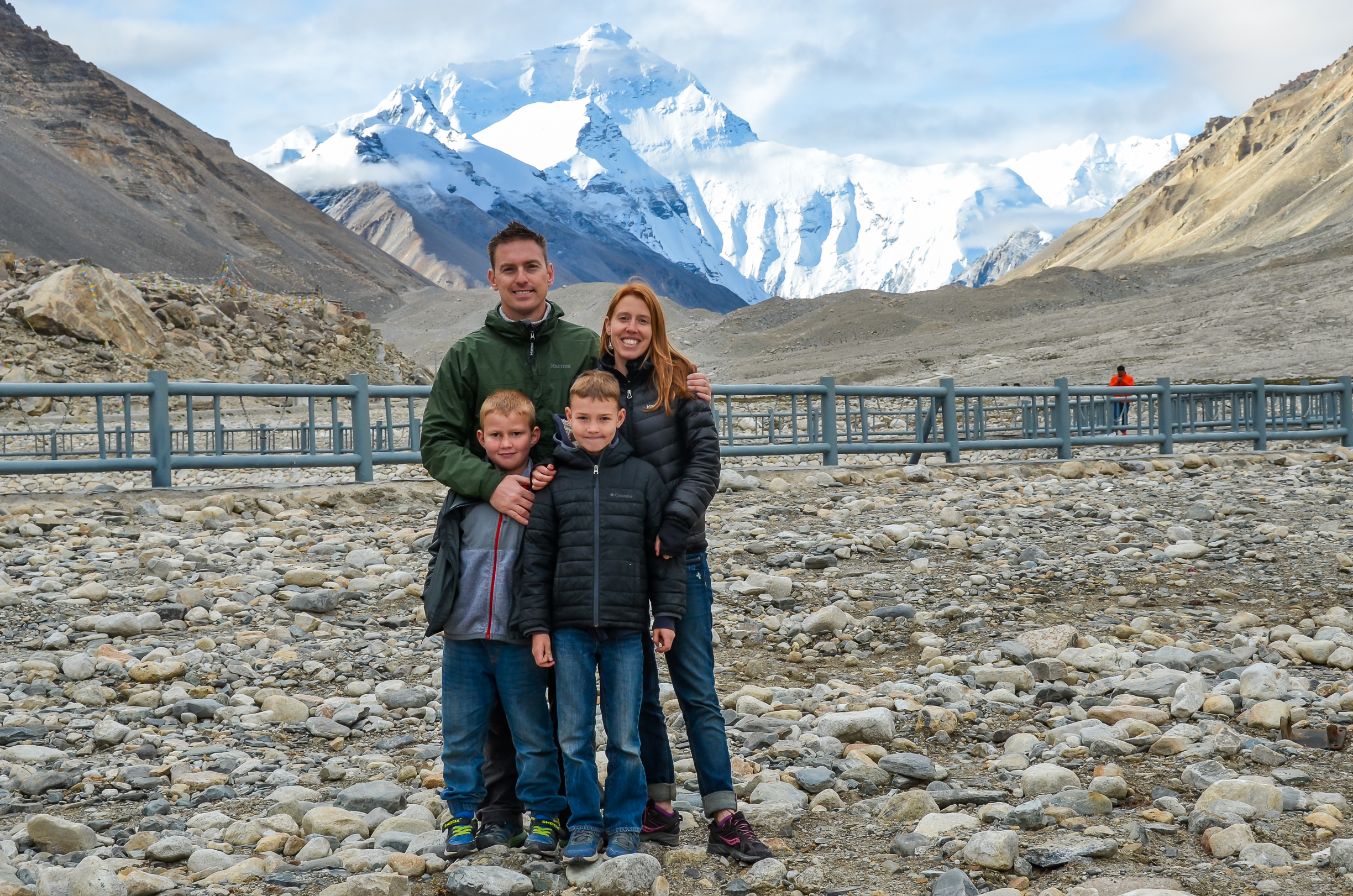
North Face of Everest viewed from Tibet
Getting to Tibet
You can travel to Tibet from both Nepal and from Mainland China. In general, getting to Tibet from Mainland China is easier, as you don't need a Group Chinese Visa, which is required if you enter from Nepal. The term "Group Chinese Visa" is a bit misleading, as solo travelers (on an organized tour) can get a Group Chinese Visa even though they are traveling alone. A Group Chinese Visa cannot be extended within China, unlike a standard Chinese Tourist Visa.
Getting to Tibet from Nepal
From Nepal, there are 2 ways to get to Tibet: Overland or by air. The flight from Kathmandu to Lhasa is only about 75 minutes. Another option is to fly from Kathmandu to Chengdu and then take the train to Lhasa. You can also go overland from Kathmandu to Tibet. From Kathmandu to the border of Nepal and Tibet, a travel agency in Nepal can arrange a private vehicle for you, or you can (usually) take a public bus.
From the border, your Tibetan guide will meet you, and from there you will travel by a private vehicle with a driver. Normal tourist vehicles from Nepal do not enter Tibet, so you will need to change vehicles at the border. As stated above, a travel agency will take care of ALL of these details for you. You do not need to worry about arranging this yourself. For detailed information on how to go from Nepal to Tibet, read the following link: How to go from Nepal to Tibet.
Getting to Tibet from Mainland China
From Mainland China, most people either fly or take the train to Lhasa. Direct flights to Lhasa are available from Chengdu, Xining, Lanzhou, Labrang (Xiahe), Beijing, Chongqing, Xi'an, and Kunming. Most people prefer to fly to Lhasa from either Chengdu or Xining. In addition to Lhasa, you can also fly from Chengdu to Nyingtri (Linzhi). To fly to Lhasa, your travel agency will need to mail the original permit to a hotel/hostel you will be staying at in Mainland China.
For detailed information on how to go from China to the roof of the world, read the following link: How to go from China to Tibet
The train to Lhasa began operating in July 2006. Trains to Lhasa depart from Xining, Lanzhou, Chengdu, Chongqing, Beijing, Shanghai, and Guangzhou. Most people take the train to Lhasa from Xining. Xining is the official starting point of the Tibetan Railway and is the closest major city to Lhasa. Xining, at an elevation 2300 meters/7500 feet, also allows travelers to better acclimatize to Tibet's high elevation. In order to take the train to Lhasa, the travel agency you use will email you a copy of your permit, which you can print out to show officials at the train station.
Overland routes from Sichuan and Yunnan provinces to Tibet have been open in recent years. If you would like to do this epic overland tour to Lhasa. We can recommend a great local Tibetan travel agency in Tibet.

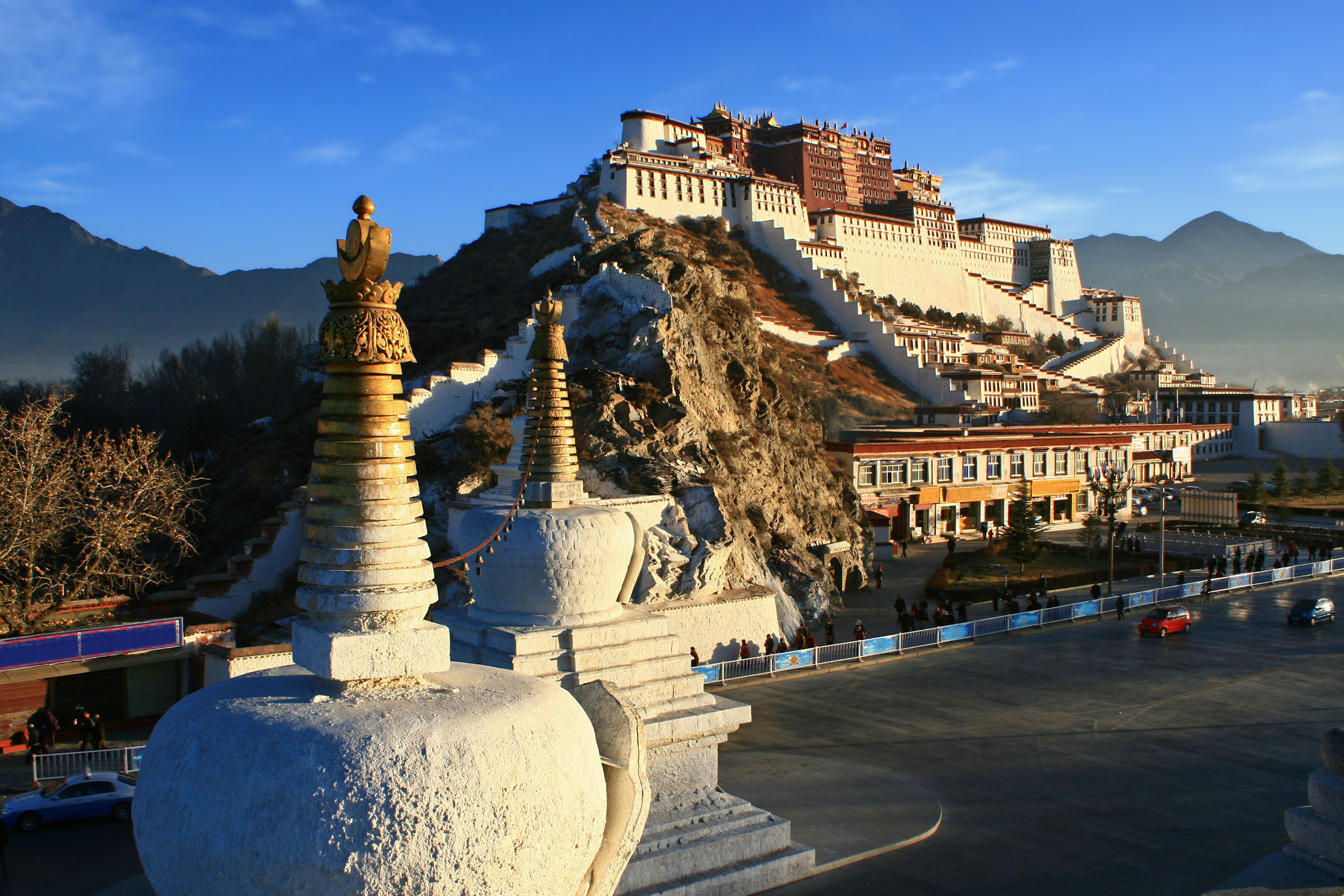
Lhasa's Jokhang Temple

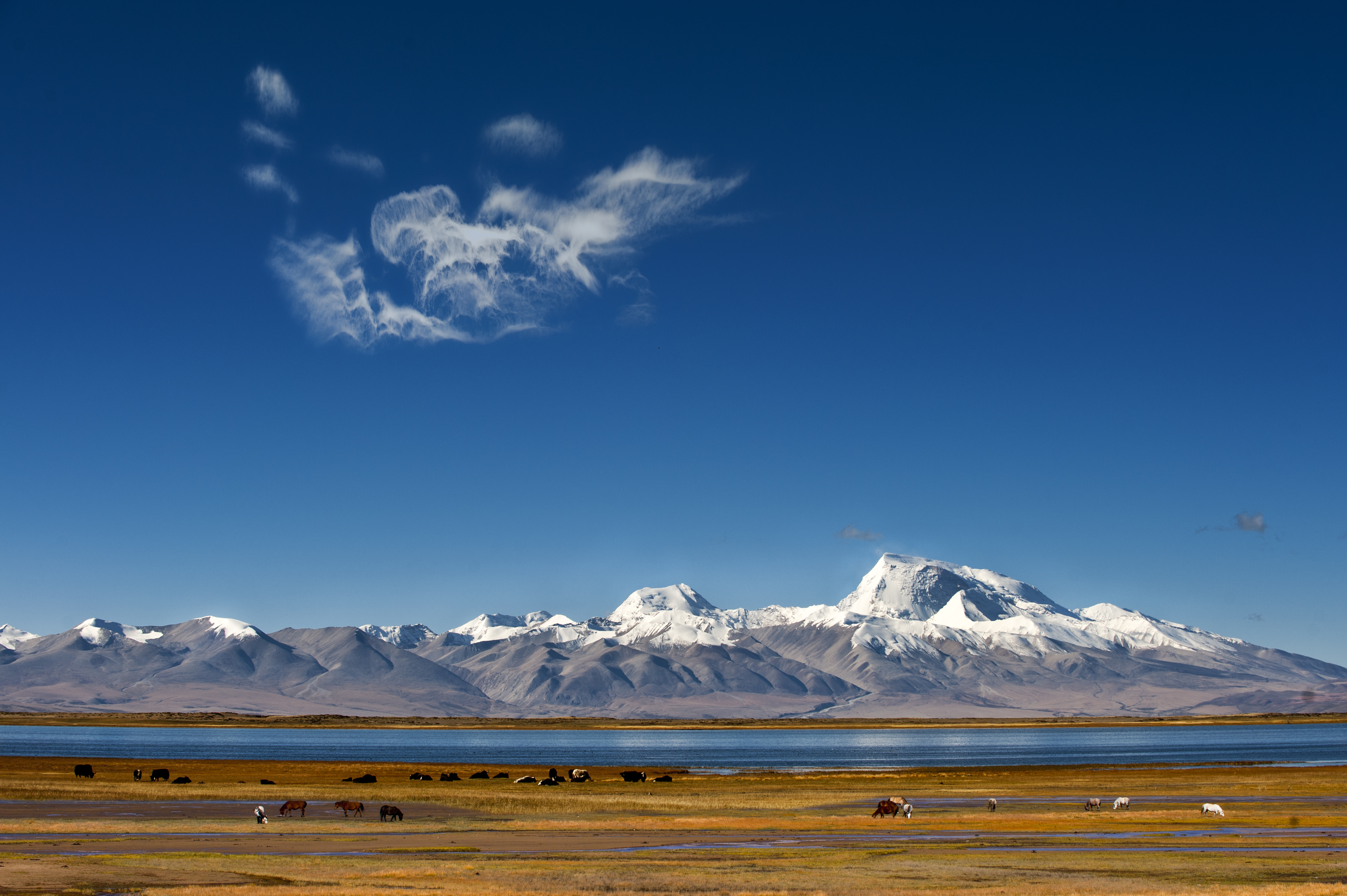
Nam Tso is one of the most beautiful lakes on the plateau
Summary
I have found that many travel websites (those not local Lhasa agencies) make it sound like Tibet is extremely difficult to travel to. Having lived and worked (in tourism) in various regions of the Tibetan Plateau for over 15 years. I can tell you that getting there is not hard. True, you do have to be on an organized tour. But a travel agency can arrange everything for you. Sending a few emails to a travel agency shouldn't be hard. Remember, you need an organized tour, but not necessarily a group tour. You can also design and customize your own itinerary in Tibet so you can visit the specific places you want to see.
If you have any questions about getting to the roof of the world. Need a recommendation on a reputable, Tibetan-owned travel agency to use. Please feel free to send me an email via our contact page
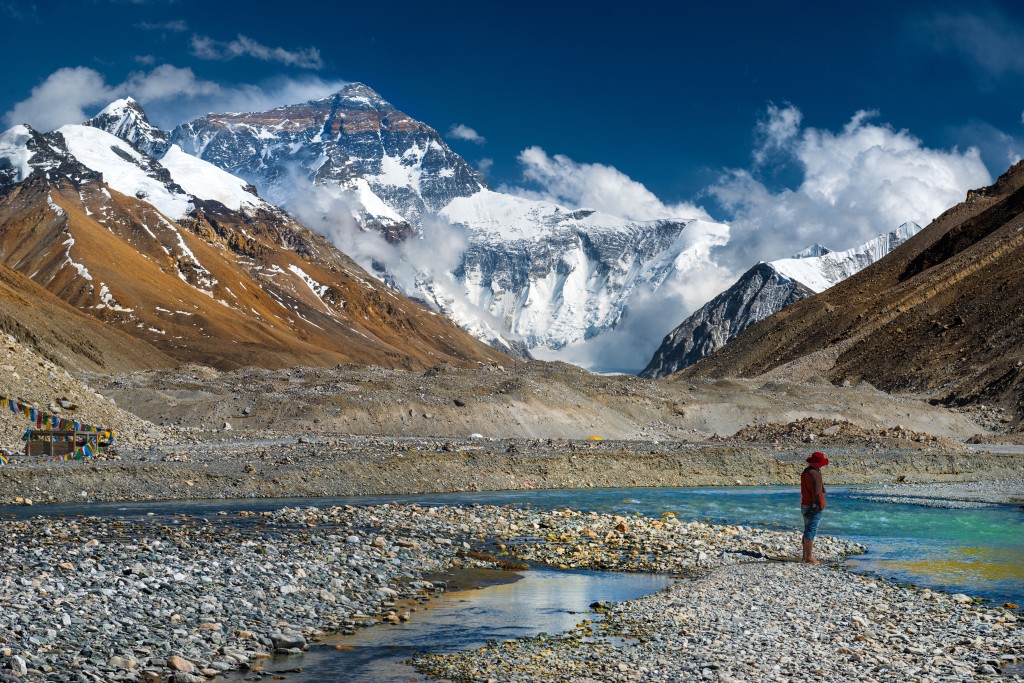
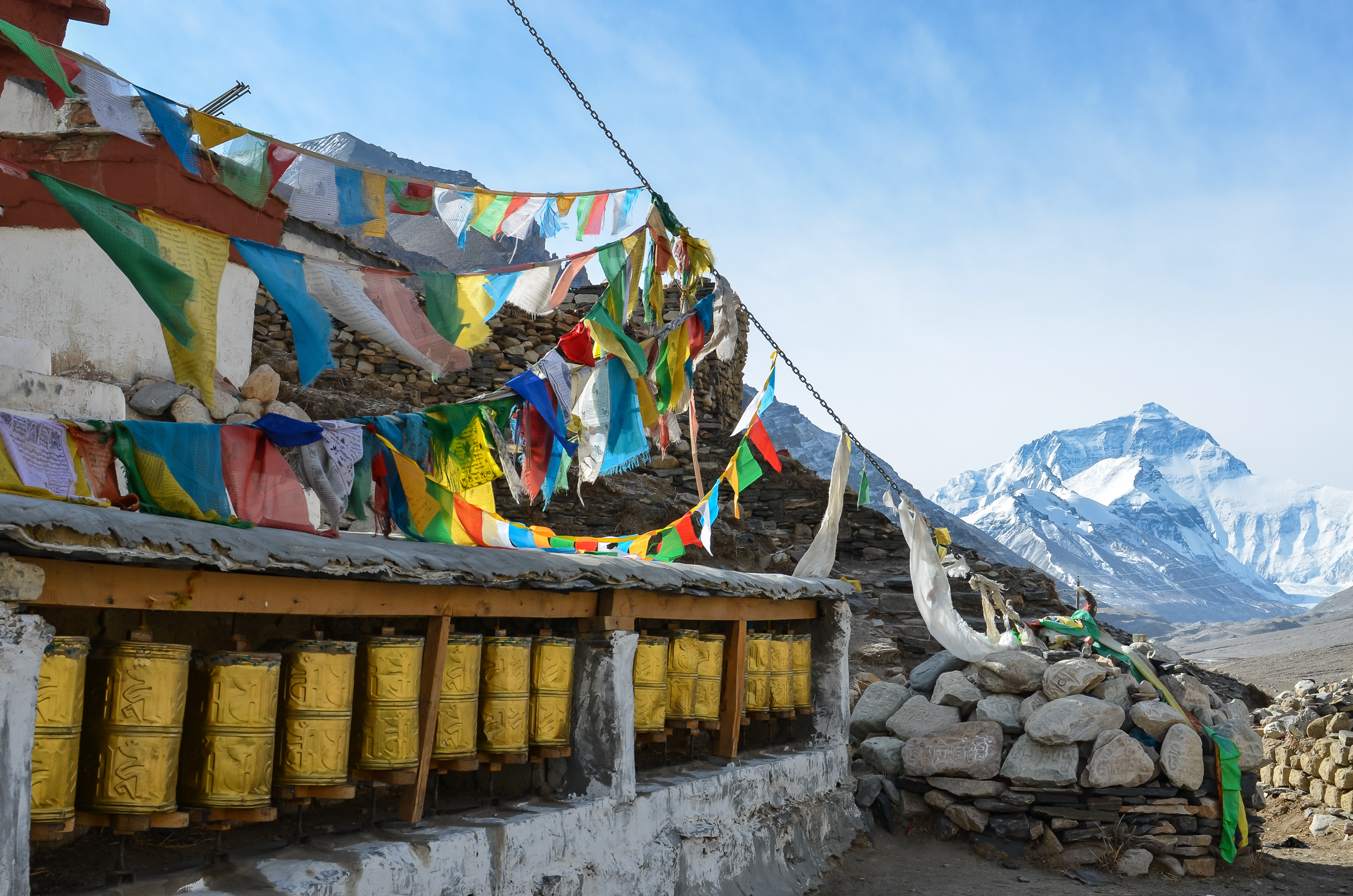
Mt. Everest viewed from near the Rongbuk Monastery
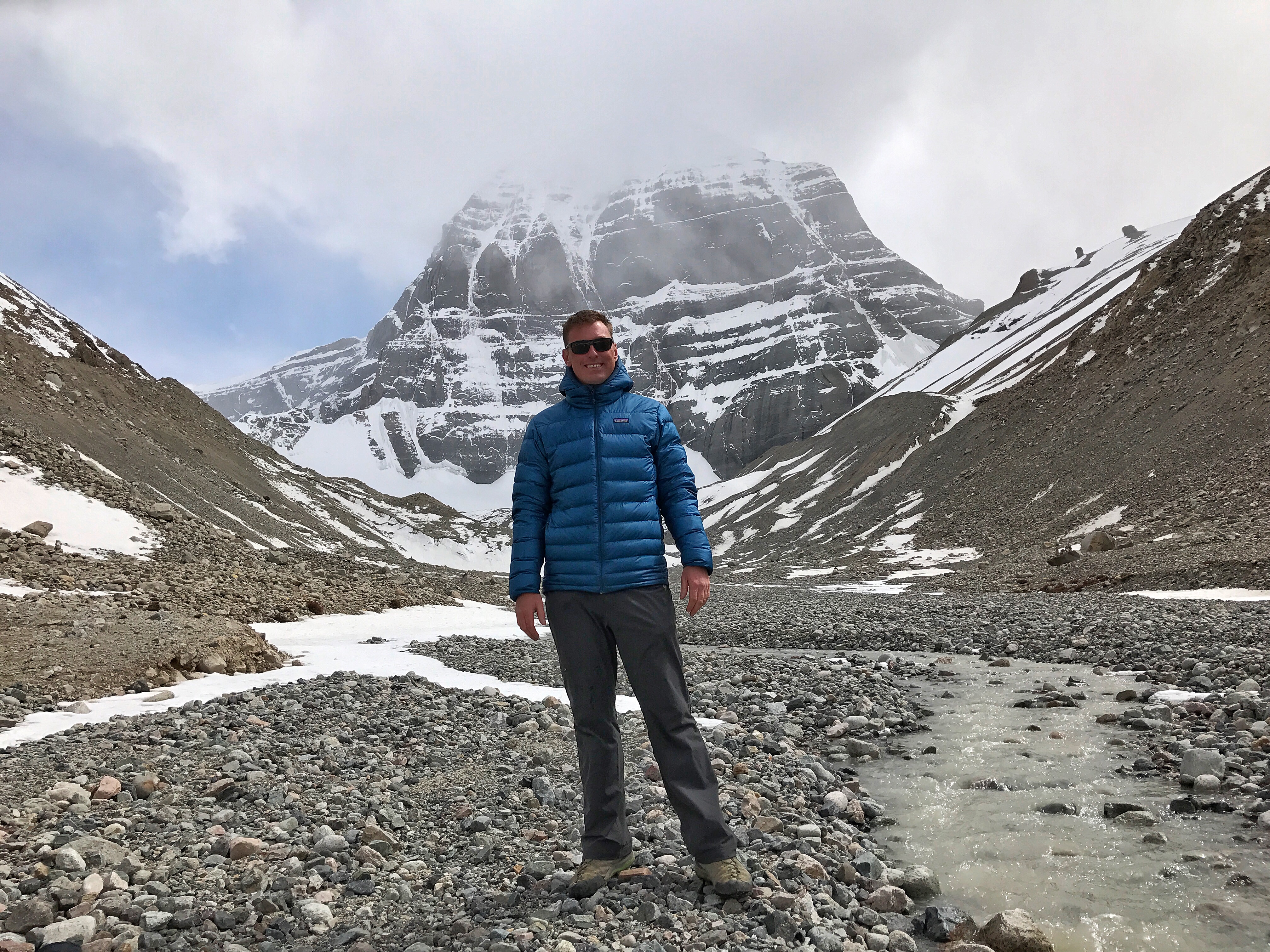
Jamin
amin “Lobsang” Lee has lived and worked in various areas of Tibet for over 14 years. He spent several years working for an NGO focusing on adult education programs for Tibetans from the Amdo and Kham regions and in 2006 he co-founded a successful travel agency which organized nearly 500 custom journeys, photography tours, cultural excursions and treks across Tibet and Nepal.
More Post